
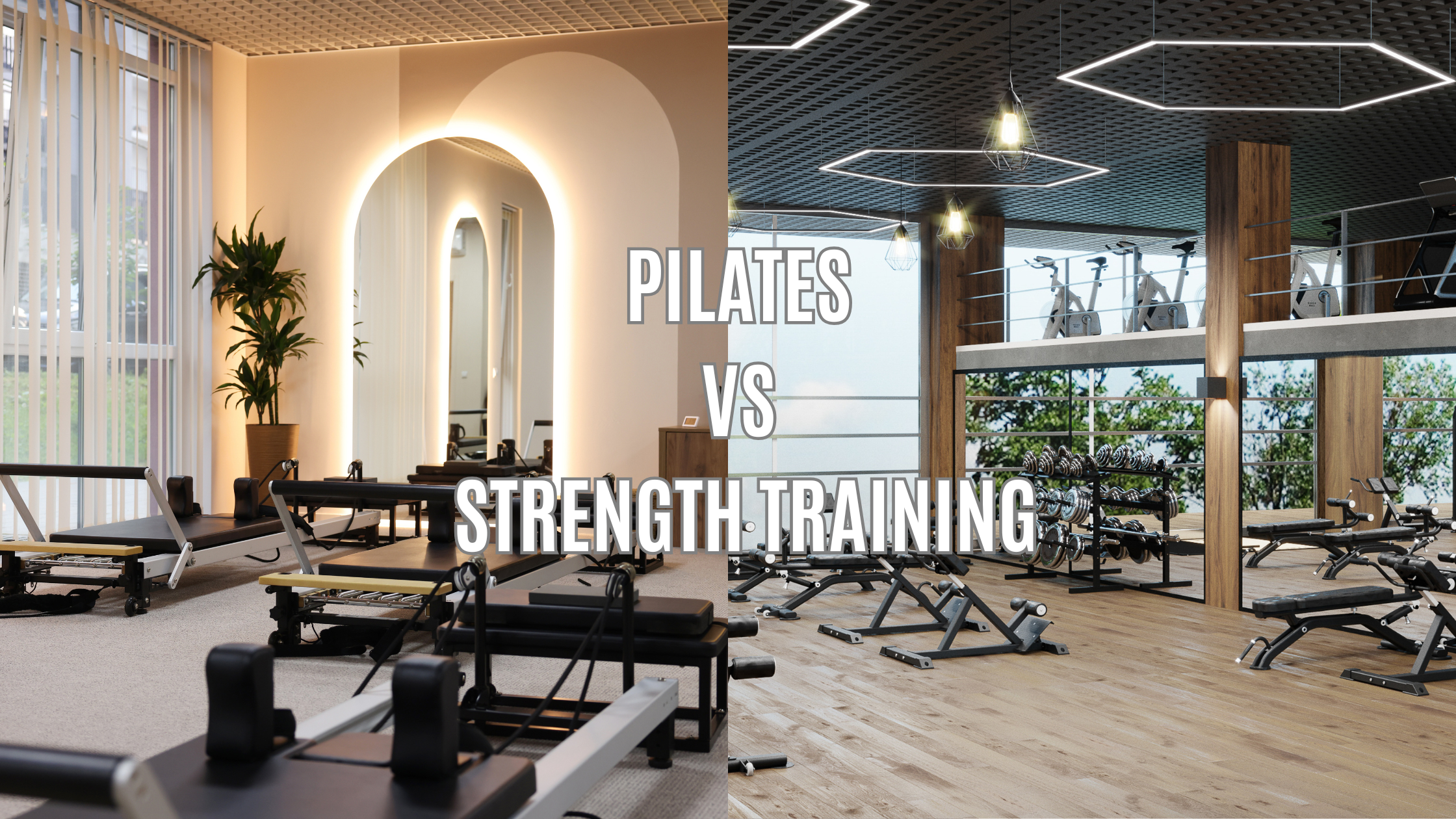
Everywhere you look right now, it’s Pilates vs strength training.
Lift heavy.
Don’t lift heavy.
High reps.
Low reps.
Hot girl walks.
Workout splits.
And underneath all of it is this quiet frustration:
Why does my body still feel stuck?
Why am I working out but not actually changing?
Am I even doing this right?
If you’ve been wondering whether strength training or Pilates is the best workout for women who want real results, let’s clear this up.
Why Building Muscle Matters (More Than You Think)
If your goal is to:
- Lose weight
- Improve body composition
- Support your metabolism
- Protect your hormones
- Age well
Building muscle is not optional.
Muscle:
- Improves body composition
- Supports long-term fat loss
- Improves insulin sensitivity
- Protects bone density
- Increases longevity and independence
If you want your metabolism working for you instead of against you, muscle is the foundation.
What Strength Training Actually Is
Let’s define this clearly.
Strength training workouts designed for muscle growth typically fall within the hypertrophy range:
6–30 reps per set.
Above 30 reps?
You start getting diminishing returns for muscle growth.
Muscle isn’t built by just “feeling the burn.”
It’s built by progressively challenging the muscle over time.
What “Training Close to Failure” Means
It means finishing a set where you could maybe do 1–2 more reps — not 10 more.
That level of effort is what signals growth.
Rest Periods Matter More Than You Think
1–3 minutes between sets.
Rest allows you to lift heavier in the next set.
Sweating more does not equal building more muscle.
Compound vs Isolation Exercises
Both matter — but they serve different purposes.
Compound movements (squats, deadlifts, presses, rows):
- Work multiple muscle groups
- Create a bigger stimulus
- Save time
Isolation movements (bicep curls, leg extensions, lateral raises):
- Target one muscle group
- Helpful for beginners
- Great for strengthening weak areas
Inside our coaching, we meet women where they are and structure both intentionally.
Progressive Overload Is the Real Secret
This is where most women go wrong.
Progressive overload means gradually increasing:
- Weight
- Reps
- Sets
- Time under tension
Without progression, muscle does not grow.
Doing the same 10-pound workout for two years will not change your body composition.
Less Is More
You do not need 6 workout days.
For most women, 2–4 strength training sessions per week is plenty.
More isn’t better.
Better is better.
Recovery Is When You Actually Build
You don’t build muscle during your workout.
You build when you:
- Sleep
- Eat enough protein
- Take rest days
- Manage stress
If you are constantly under-fueling or under-recovering, your body will not respond.
What Pilates Actually Is (And Isn’t)
Pilates was created by Joseph Pilates in the early 1900s as a rehabilitation system.
It was designed for:
- Injured soldiers
- Dancers
- Improving posture, breath, and control
Pilates was never designed to be a hypertrophy program.
It was designed to restore and stabilize the body.
Why Pilates Became So Popular
When women are new to working out, Pilates feels:
- Less intimidating
- More controlled
- Less associated with “bulking”
- Aesthetically appealing
Many women who represent the “Pilates look”:
- Are naturally lean
- Have favorable genetics
- Have long muscle bellies
- Have danced for years
They were lean… then did Pilates.
Pilates didn’t necessarily create their leanness.
Can You Build Muscle With Pilates?
Yes — especially if you’re a beginner.
But physiologically, muscle growth requires:
- Progressive overload
- Sufficient intensity
- Training close to failure
- Increasing external load over time
Pilates typically uses:
- Lighter resistance
- Higher reps
- Slower tempo
- Limited load progression
For many women, Pilates becomes a maintenance or endurance stimulus — not a growth stimulus.
What Does “Deep in the Muscle” Actually Mean?
When instructors say, “We’re working deep in the muscle,” they’re usually referring to:
- Smaller stabilizer muscles
- Core activation
- Transverse abdominis
- Postural muscles
It does not mean:
- It’s superior for muscle growth
- It reaches a secret layer lifting can’t
Pilates is incredible for:
- Stability
- Mobility
- Core strength
- Injury prevention
- Lower nervous system stress
It just serves a different purpose.
The Real Comparison
Strength Training
- Best for building muscle
- Best for metabolism support
- Best for changing body composition
- Requires progressive overload
- Requires recovery
Pilates
- Best for stability and control
- Great for mobility
- Great for core strength
- Lower stress on the nervous system
- Easier entry point for beginners
So Which Should You Prioritize?
If your goal is to:
- Change your body composition
- Lose weight long-term
- Support your metabolism
- Build a strong, resilient body
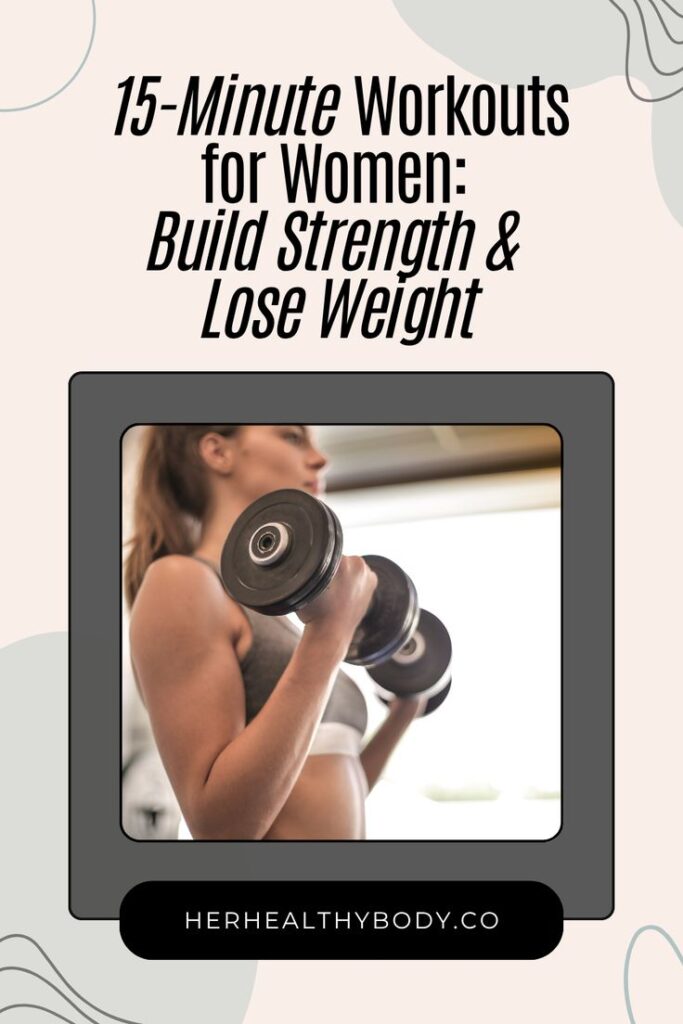
Strength training needs to be your foundation.
Pilates is a beautiful add-on.
Strength first.
Pilates sprinkled in.
If You’re Feeling Overwhelmed…
If you’re thinking:
“I don’t know how to structure this.”
“I’ve tried lifting and didn’t see results.”
“I don’t know if I’m lifting heavy enough.”
You don’t have to keep experimenting on yourself.
Inside Her Weight Loss Coaching, we:
- Build your workout plan
- Show you how to eat to support muscle
- Make sure you’re recovering properly
- Help you stop guessing
You can book your first call at herhealthybody.co.
No more spinning.
No more starting over.
Let’s build this the right way.

View comments
+ Leave a comment